Epoxy mold compound with high Tg is used for high temperature applications such as automotive. However, downside of using high Tg EMC is the difficulty in preserving copper bond wires during acid decapsulation. The use of silver plated leadframes makes stitch bond exposure even more difficult as acid and conventional plasma etching easily attacks silver. A new decapsulation process is developed based on Microwave Induced Plasma etching to handle high Tg plastic copper wire packages.
J. Tang (JIACO Instruments. Delft, The Netherlands)
J. Wang (JIACO Instruments. Delft, The Netherlands)
T.H. Tan (Sumitomo Bakelite Singapore. Singapore)
M. Endo (Sumitomo Bakelite Singapore. Singapore)
K.M. Ng (Sumitomo Bakelite Singapore. Singapore)
L.C. Lee (Sumitomo Bakelite Singapore. Singapore)
C.I.M. Beenakker (Delft University of Technology. The Netherlands)
Visual highlights from the research and analysis presented in this publication.
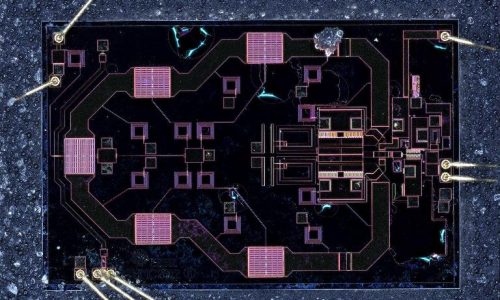
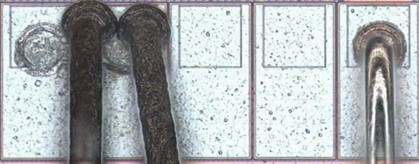
Fig. 1 — Corroded copper wire after acid decapsulation
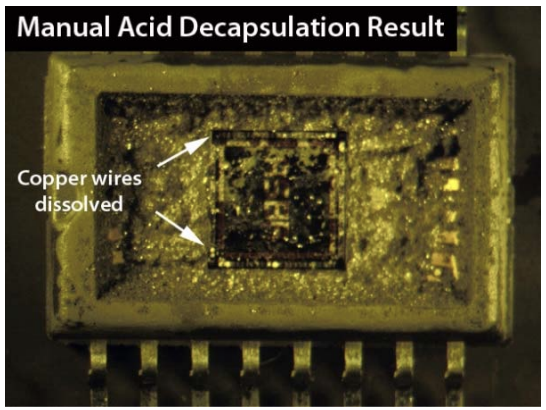
Fig. 2 — Manual acid decapsulation result
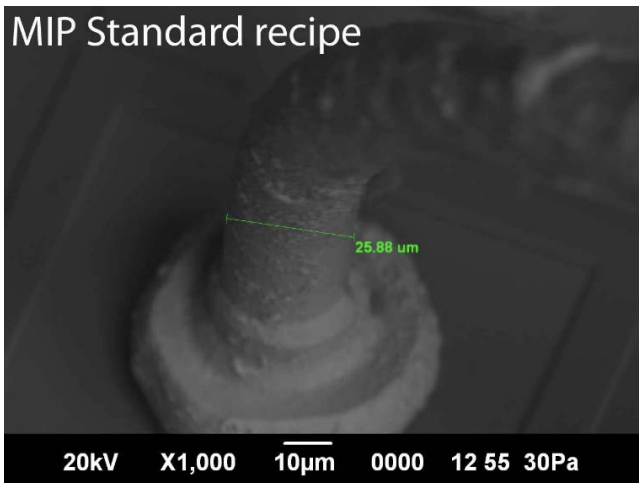
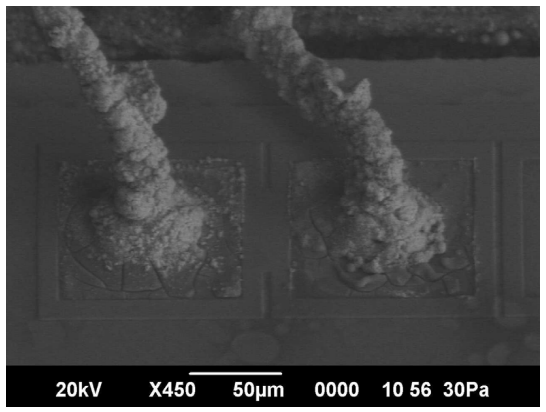
Fig. 3 — SEM image of ball bond after standard MIP decapsulation
4
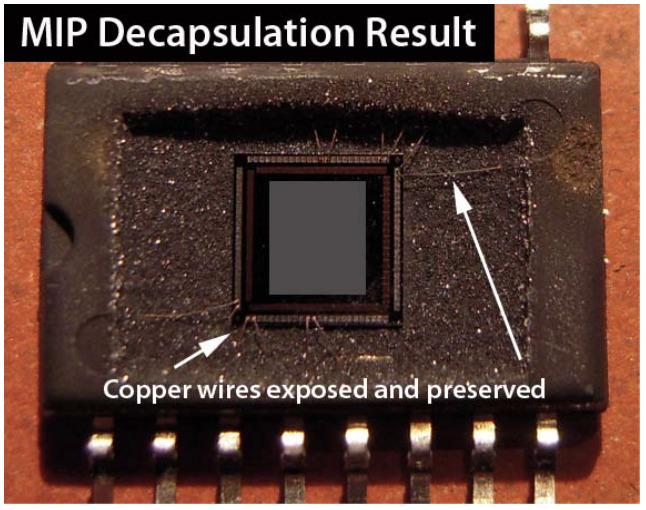
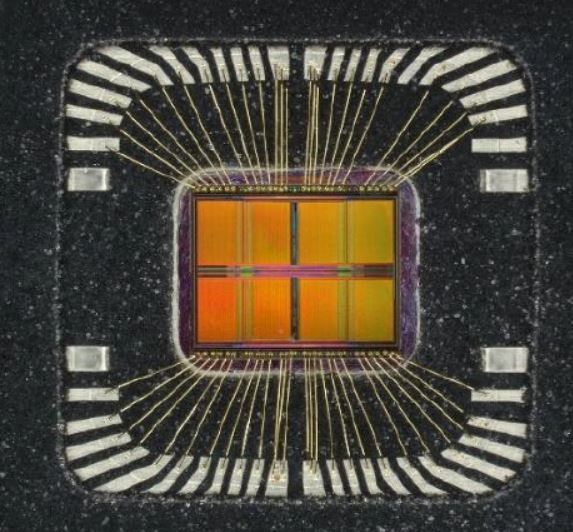
Fig. 4 — Standard MIP decapsulation result
FA Challenges and Case Study Exploration of Multidie Fan-Out Wafer Level Packages
Accelerating Root Cause Identification of Subtle Bonding Failures Using MIP
Hardware Security Evaluation of Advanced Packaging
Revolutionizing IC Package Decapsulation with Microwave-Induced-Plasma (MIP) System
Polyimide removal approach on redistribution layer of WLCSP package using Microwave Induced Plasma
Physical Security Assessment of Advanced Packaging Structures
Removal of Highly Doped Silicon for Backside Fault Isolation with Fluorine-Based Etches
Advanced Package Sample Preparation Leveraging Precision CNC-Based Milling and Selective Microwave Induced Plasma Etching