Semiconductor decapsulation is an increasingly challenging, delicate and time-pressured process. Acid has been the go-to for all labs — but it’s no longer a future-proof approach. The market is demanding more nuanced results than traditional acid decapsulation can deliver.
Here, we’ll explore the trends combining to knock acid decapsulation off its dominant spot.
More IOs mean more complex semiconductor decapsulation
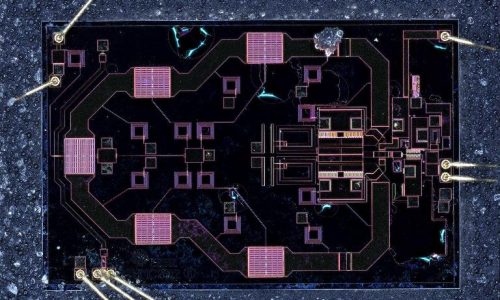
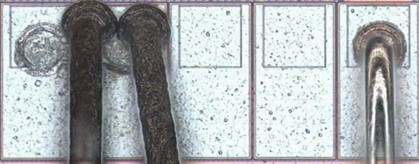
Semiconductors are becoming smaller, more complex and more intricate. Manufacturers are using more specialist materials, too, which are often more fragile than gold. Acid is too harsh to be fit for purpose: it’s destroying evidence at delicate failure sites, wasting your lab’s time and resources. And with single ‘golden’ samples to work with, you can’t risk your acid decapsulation going wrong. You need a gentle, highly selective alternative — with no risk of sample damage through over-etching.
There’s a lack of acid specialists
Concerned that your lab’s reliant on a few experienced acid specialists? It’s a common theme, so the pressure’s on to find and retain decapsulation talent. Even if you do hire the right people for the job, acid decapsulation is, inevitably, wide open to human error. But with an automated alternative, you could run semiconductor decapsulation 24/7, and any technician could queue up your samples.
Environmental and workplace safety are priorities
Acid is a high-risk decapsulation method, for people and the environment: transport, storage, use and disposal all involve copious paperwork. Using less hazardous materials for semiconductor decapsulation, though, means doing away with expensive, specialised wet benches and fume hoods.
Time to move with the semiconductor decapsulation market
Acid decapsulation might be the norm for now, but it’s not going to keep pace as your failure analysis lab adapts to the market’s. And teams that look for future-proof alternatives (rather than sticking with the way things have always been done) are set to gain a competitive edge.
The better alternative to acid: MIP technology
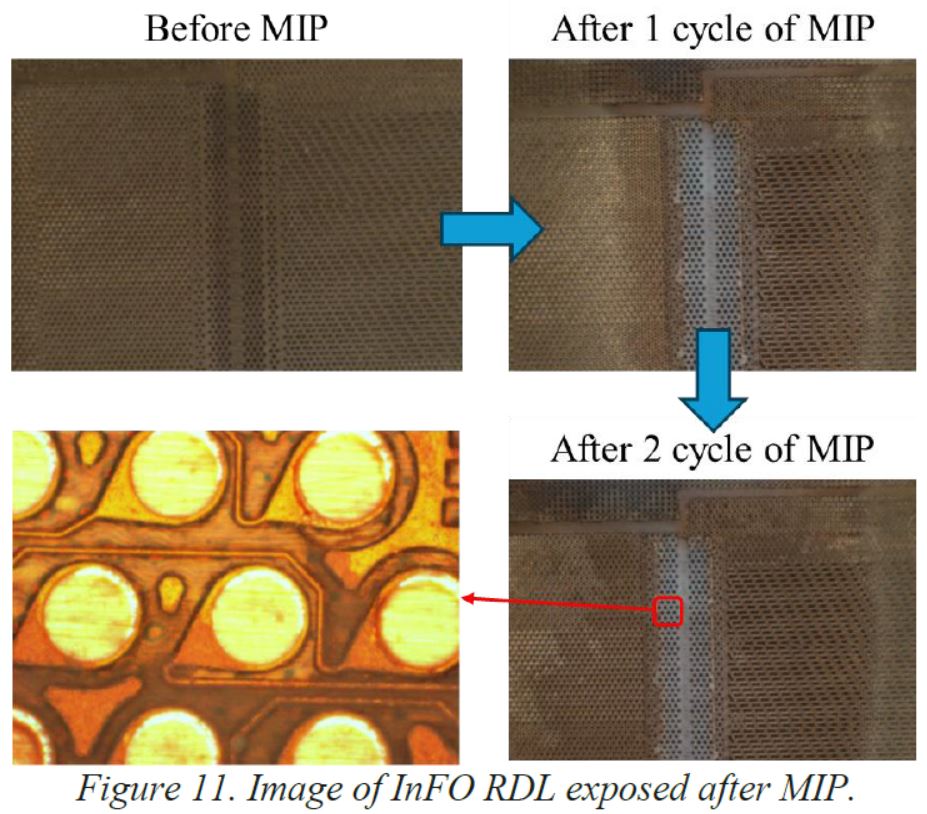
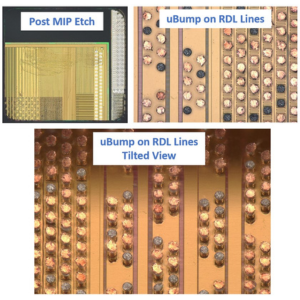
These market trends show a clear case for moving away from acid semiconductor decapsulation. And there is a better option: Microwave-Induced Plasma (MIP) technology. Using oxygen or hydrogen-based recipes, it only removes the material it needs to during decapsulation. Keeping your samples pristine, and ensuring every analysis you do goes right the first time.
To find out more about our MIP machines, download our whitepaper by filling in the form below.