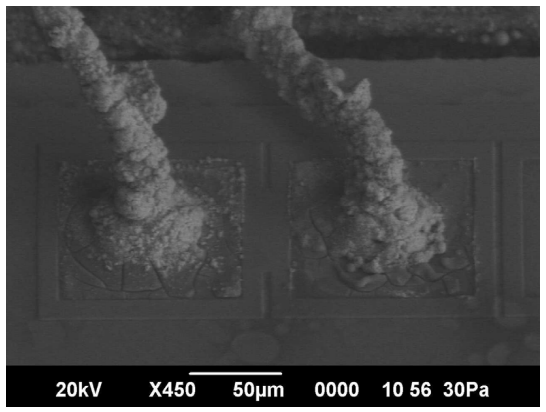
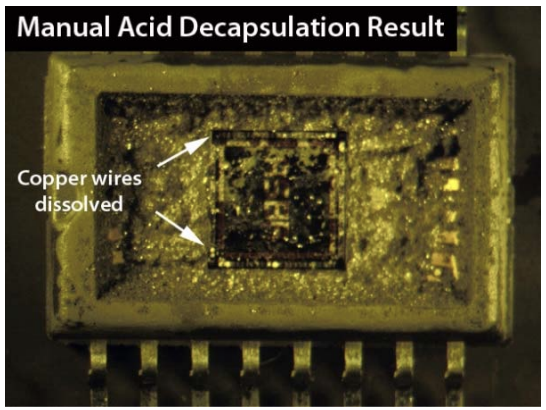
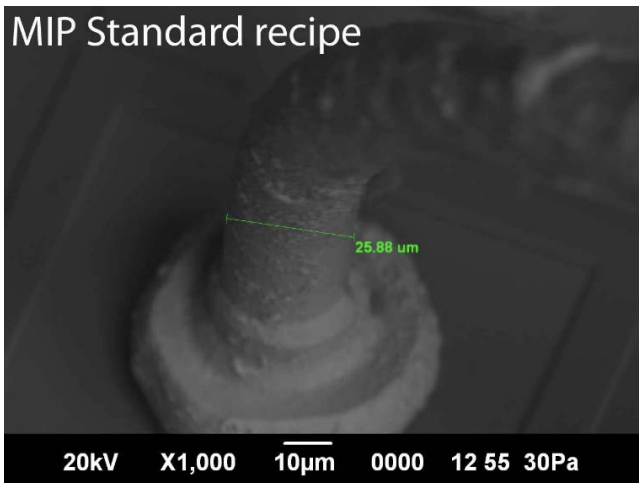
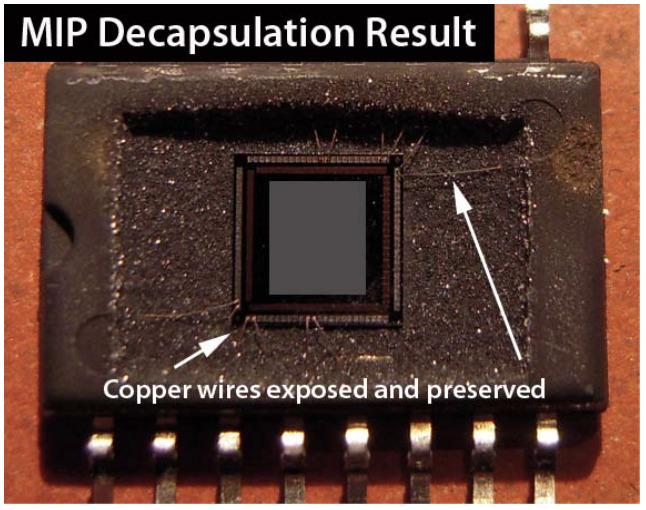
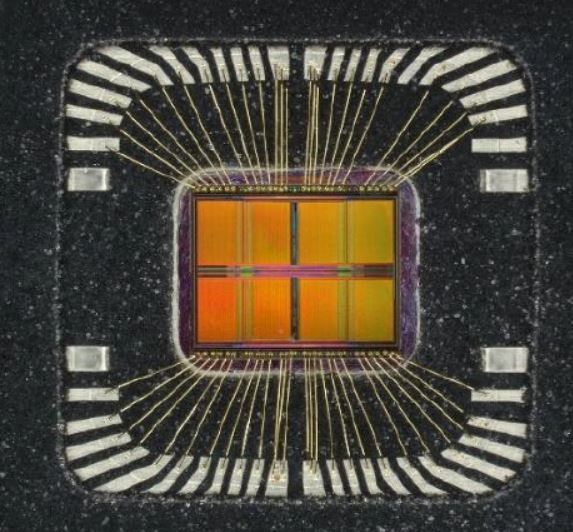
Epoxy mold compound with high Tg is used for high temperature applications such as automotive. However, downside of using high Tg EMC is the difficulty in preserving copper bond wires during acid decapsulation. The use of silver plated leadframes makes stitch bond exposure even more difficult as acid and conventional plasma etching easily attacks silver. A new decapsulation process is developed based on Microwave Induced Plasma etching to handle high Tg plastic copper wire packages.
AUTHORS
J. Tang (JIACO Instruments. Delft, The Netherlands)
J. Wang (JIACO Instruments. Delft, The Netherlands)
T.H. Tan (Sumitomo Bakelite Singapore. Singapore)
M. Endo (Sumitomo Bakelite Singapore. Singapore)
K.M. Ng (Sumitomo Bakelite Singapore. Singapore)
L.C. Lee (Sumitomo Bakelite Singapore. Singapore)
C.I.M. Beenakker (Delft University of Technology. The Netherlands)